The Global Wellness Institute estimated the global wellness economy to be worth more than $6 trillion in recent years, reflecting growing public interest in preventive care, stress management, and lifestyle-focused health services. Across many cities, traditional healthcare offices are evolving into hybrid wellness environments where medical consultations exist alongside nutrition coaching, recovery therapies, aesthetic treatments, and mental wellness support.
Many of these facilities position themselves as comprehensive health destinations rather than conventional clinics. Research from McKinsey & Company shows consumers increasingly prioritize proactive wellness practices over reactive healthcare. Some centers combine preventive screenings with services such as hydration therapy, stress reduction programs, and cosmetic consultations. Discussions around treatments like Botox and fillers Greenwich CT often appear within broader conversations about confidence, aging, and self-care in modern wellness settings.

The Rise of Hybrid Wellness Clinics
Healthcare environments have changed significantly over the last decade. Traditional clinics historically focused on diagnosing illness and prescribing treatment after symptoms appeared. Modern wellness spaces increasingly emphasize prevention, recovery, and long-term lifestyle habits.
This shift reflects changing public expectations. Data published by Harvard Health Publishing indicates that patients are becoming more interested in sleep quality, nutrition, physical activity, and stress management as part of overall health maintenance. As a result, many wellness providers now incorporate services that once existed outside conventional medical systems.
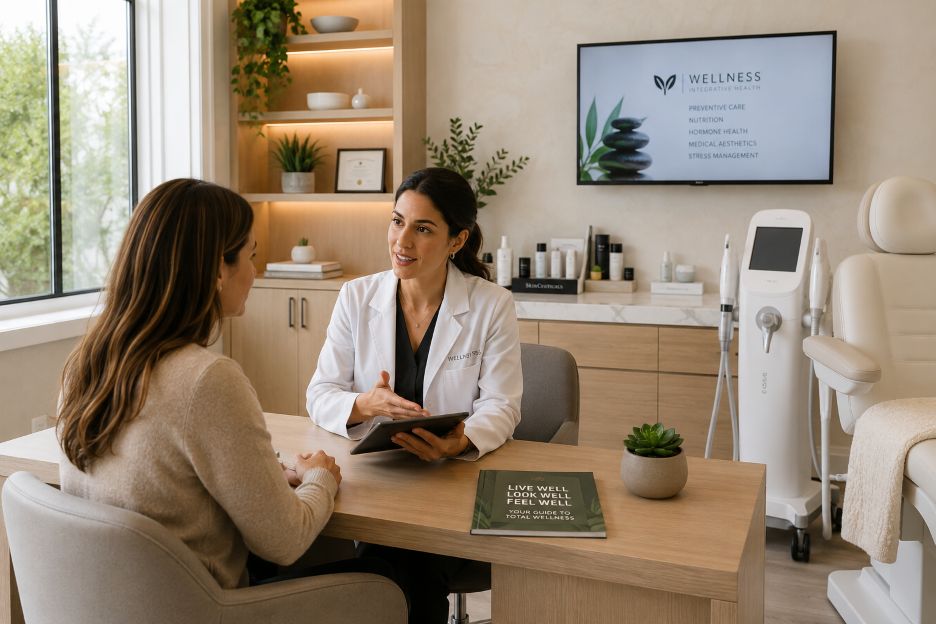
Some facilities include physicians, nurse practitioners, nutrition specialists, fitness consultants, and mental health professionals under one roof. Others create spa-like environments intended to reduce anxiety commonly associated with medical visits. Soft lighting, quiet waiting rooms, and personalized consultations are often designed to encourage ongoing engagement with healthcare rather than emergency-only appointments.
Supporters argue this integrated model helps individuals approach health more consistently. Instead of seeking care only during illness, patients may participate in regular wellness evaluations, preventive screenings, or lifestyle counseling throughout the year.
Critics, however, question whether some wellness centers blur the line between healthcare and consumer lifestyle marketing. Concerns occasionally emerge around transparency, pricing structures, and the scientific evidence supporting certain treatments.
Medical Aesthetics Alongside Preventive Care
One of the clearest examples of hybrid wellness culture is the growing connection between preventive healthcare and medical aesthetics. Cosmetic dermatology and minimally invasive procedures are increasingly offered in spaces that also provide hormone assessments, metabolic evaluations, or nutrition counseling.
Medical aesthetics once operated largely as a separate industry focused on appearance enhancement. Today, treatments such as injectable therapies, skin rejuvenation procedures, and laser services are frequently discussed within broader wellness conversations about confidence, aging, and personal well-being.
The American Society of Plastic Surgeons reports continued growth in minimally invasive cosmetic procedures, particularly among adults seeking subtle or preventative treatments rather than dramatic changes. Some patients describe these services as part of broader self-care routines similar to exercise or skincare maintenance.
Advocates believe integrating aesthetics into healthcare settings may improve patient education and safety. Licensed medical professionals can discuss risks, realistic expectations, and potential side effects within a structured clinical environment. In some cases, patients receiving cosmetic consultations also receive guidance on sleep habits, nutrition, hydration, or stress reduction.
Others remain cautious about merging aesthetic services with healthcare branding. Critics argue wellness spaces may unintentionally reinforce social pressure around aging and appearance. Public health researchers continue debating whether cosmetic wellness culture supports confidence or contributes to unrealistic beauty expectations.
Public Perceptions of Cosmetic Wellness
Public attitudes toward cosmetic wellness have become more complex and less polarized over time. Procedures once considered exclusive to celebrities or luxury markets are now discussed more openly across social media, workplace culture, and healthcare conversations.
The Pew Research Center has documented how digital culture influences self-image and public perceptions of appearance. Constant exposure to filtered photos, wellness influencers, and online beauty trends has contributed to growing awareness of aesthetic treatments among younger and older demographics alike.
For some individuals, cosmetic wellness services represent empowerment and personal choice. Patients may seek treatments to address visible signs of stress, aging, or medical conditions affecting skin appearance. Others describe aesthetic care as part of maintaining professional confidence in highly visual work environments.
At the same time, skepticism remains common. Some consumers worry that wellness branding can oversimplify complex emotional or psychological concerns. There are also concerns that social media trends may normalize procedures without adequately discussing medical risks or emotional motivations.
Healthcare ethicists often encourage balanced communication. Rather than framing aesthetic treatments as necessities, experts recommend presenting them as optional services requiring informed decision-making and realistic expectations.
Ethical Concerns Around Self-Image
The blending of lifestyle wellness and medical aesthetics raises important ethical discussions around self-image, mental health, and consumer influence.
The American Psychological Association has highlighted the relationship between body image concerns, social comparison, and emotional well-being. Wellness spaces that emphasize transformation or optimization may unintentionally contribute to pressure surrounding appearance, productivity, or aging.
Some critics argue that modern wellness culture increasingly promotes the idea that every physical trait or natural aging process requires correction. This concern becomes more significant when marketing messages imply that confidence, success, or happiness depend heavily on external appearance.
Others counter that personal appearance has always influenced social experiences and self-esteem. From this perspective, responsibly delivered aesthetic care can support confidence in the same way dental work, dermatology treatment, or corrective vision procedures may improve quality of life.
The ethical challenge often lies in communication and patient care standards. Experts generally agree that wellness providers should avoid exaggerated promises or emotionally manipulative advertising. Clear medical disclosures, evidence-based guidance, and psychological awareness are considered essential.
Some clinics have responded by adopting more holistic consultation approaches. Instead of focusing solely on appearance outcomes, providers may discuss sleep quality, stress levels, nutrition, and emotional well-being during evaluations. This broader perspective attempts to place cosmetic wellness within a larger health context rather than treating it as a stand-alone solution. Many professionals also encourage patients to focus on building sustainable habits for long-term wellness so lifestyle improvements remain realistic, balanced, and personally meaningful over time.
The Future of Integrated Wellness Environments
Hybrid wellness environments are likely to continue evolving as healthcare systems adapt to changing consumer expectations. Preventive medicine, recovery support, mental wellness services, and aesthetic care increasingly intersect within shared clinical spaces.
Technology will likely influence this evolution further. Telehealth consultations, wearable health tracking devices, and personalized wellness analytics already shape how many clinics monitor patient behavior and long-term health patterns. The World Health Organization continues emphasizing preventive care and chronic disease management as global healthcare priorities, which may support continued growth in integrated wellness models.
Still, future success may depend on maintaining balance between healthcare integrity and consumer-driven wellness trends. Patients increasingly seek convenience, personalization, and comfort, yet they also expect evidence-based care and ethical transparency.
Modern wellness spaces reflect broader cultural changes surrounding health, identity, and lifestyle. Some individuals view these environments as empowering and proactive, while others remain cautious about commercialization and appearance-driven messaging. The ongoing debate illustrates how healthcare continues expanding beyond traditional medical treatment into areas connected to lifestyle, emotional well-being, and self-perception.
As integrated wellness environments become more common, the conversation will likely focus less on whether these models should exist and more on how they can responsibly balance medical care, preventive health, and lifestyle-oriented services without losing sight of patient well-being.

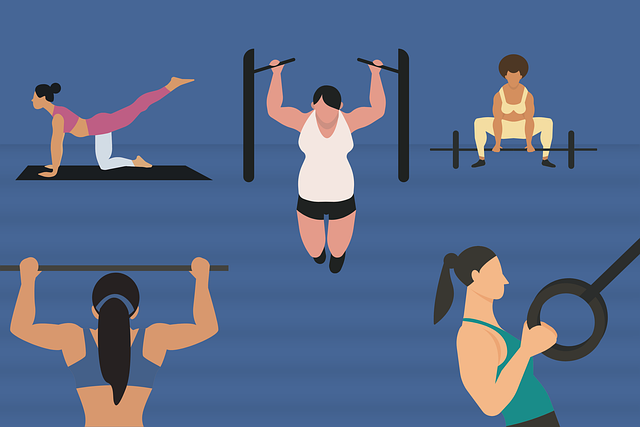




 Health does not require perfection. Drinking more water, adding vegetables to meals, taking short walks, maintaining a regular bedtime, and making time for enjoyable activities are examples of manageable changes.




 Most people understand the importance of scheduling their annual physical examination with a primary care physician. It’s the chance to track blood pressure, cholesterol, weight, and other markers that help prevent serious health problems. But many overlook their oral health in the process. Regular dental checkups deserve the same priority as your yearly physical because they go far beyond clean teeth and fresh breath, which is why many families prioritize dental care in Chicago Loop.
 Clarity and Relaxation
 More women are turning to Selective Androgen Receptor Modulators (SARMs) to help them reach their fitness and body-shaping goals. Unlike conventional anabolic steroids, SARMs provide a more focused method for improving performance and increasing muscle mass, often with reduced side effects. As their popularity rises, it’s important to examine the potential benefits and risks of SARMs for women.
 What steps can I take to lower my cholesterol, hypertension, and glucose levels, if any? Talking to your doctor about these figures might help you gain insight into your health and identify areas for improvement.
 These examinations may be conducted quarterly, twice a year, or annually. These assist people in identifying potential illnesses or conditions for which they may be at risk. Frequent examinations enable them to diagnose early on, allowing for prompt treatment.




 Metabolism is how your body turns food into energy. A low metabolism means this process works more slowly. When this happens, the body burns fewer calories. Weight gain becomes easier, even with small meals. Energy levels may also drop.
 Physicians face immense pressure when transitioning their medical practice. Whether selling, merging, retiring, or relocating, the process demands focus, energy, and emotional resilience. Yet, many doctors overlook a critical factor during this time: their own wellness. Prioritizing physical and mental health isn’t just a luxury—it’s a necessity for clear decision-making and a smoother transition. This article explores why wellness must be a cornerstone of any medical practice transition plan.
 Sexual health is a key component of overall well-being, affecting mental and physical health. Many studies have shown that a fulfilling and balanced sex life can reduce stress, enhance mood, and improve physical health. Yet, the conversation around sexual wellness often remains stigmatized. By understanding and prioritizing sexual needs, women can boost their overall quality of life.
 Generally, manufacturers of male enhancement pills claim that they use exotic natural ingredients that have been proven effective as solutions for improving a man’s sexual performance and capabilities to satisfy his partner. However, it’s important to dig deeper by exploring all information that attest the veracity of the claims made by manufacturers in promoting their respective male sexual enhancement pills.